Found poems and PTG growth
The word transformation has been whirling around my body over the past few years. In my mind, it connotes the stuff of home-makeover fantasies (confession: those shows are one of my many guilty pleasures!). It can conjure thoughts of rebuilding, reframing, renewal, and it’s all the work of healing. In my head, I hear power tools and see a large dumpster waiting to be filled.
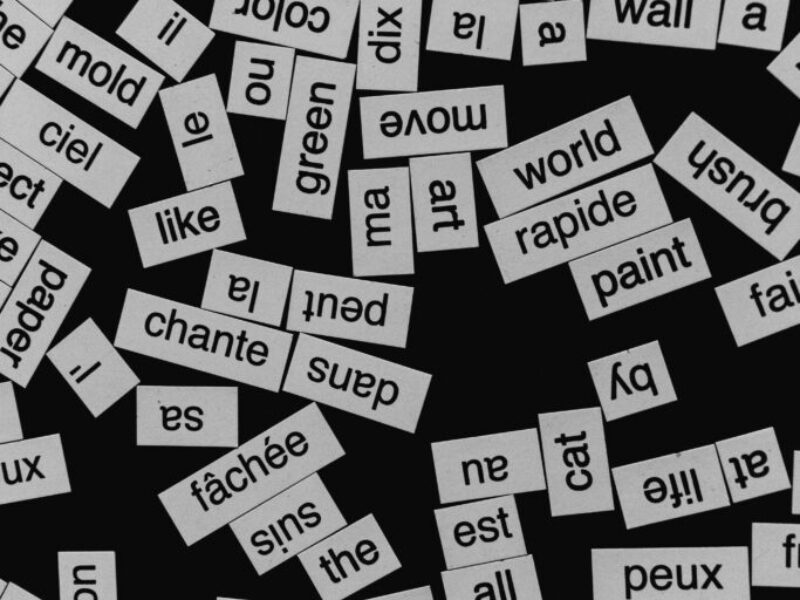
I love that the found poem form can hold this oscillation between pain and renewal during periods of transformation. That’s because found poems use old sources as starting points. Then writers use their pen and imagination to transform the old sources (using pictures—think collage—or a new arrangement of words) into a source they rebuild with a message relevant to their healing.
In the midst of my own post-traumatic growth (from 2020-2024), I picked out a book, The Land of Little Rain, from a little library. What a gift it was! I had been wanting to learn more about the Southwest landscape, so I read a chunk of pages. Then I found a black Sharpie marker, and blacked out phrases from the passage to create a rebuilt poem.
I re-imagined the passage that emphasized my emerging rebirth:

When I look back on it now, I can see that I am holding both the pain and the potential for life-altering change. I am getting into the posture of a rattlesnake. I am also readying myself to move out of the desert and into the river’s flow. I am ready to write about it with my plume pen and to go into a quiet period of grief.
Many journaling forms are therapeutic because they work as containers and they have boundaries. I knew what I had to do to enter and exit this prompt—I was just working with two paragraphs. I had the intention to use my imagination to consider my future, so I knew I wasn’t going to just ramble and make things worse. I knew the passage would help me manage emotions I didn’t even know how to express yet. It gave me images, both active and meaningful. I felt comforted by all this structure.
I do have to say that the journal is never a substitute for professional help. But it does support growth and works as a complement to many modes of healing.
And . . . My teacher Anjana Deshpande argues that our journal can also act as an “expert companion” since it offers some overlaps in benefits we would normally experience on our therapist’s couch. She writes that our journal:
* “Listen(s) to our replication of the story,
* Encourage(s) disclosure of the uncomfortable,
* Offer(s) ways to manage emotions, and
* Respect(s) our pace” (2).
The research reminds us that each client is different, and clients who have learned coping and regulation skills, may benefit most from self-paced and self-therapeutic journaling prompts. Those who still feel unsafe in their own spaces, may need more professional guidance.
If you’re interested to read more, here’s the title of the article: “Post traumatic growth through expressive writing: the ‘expert companion method’ for self-directed recovery” (2024), Journal of Poetry Therapy.